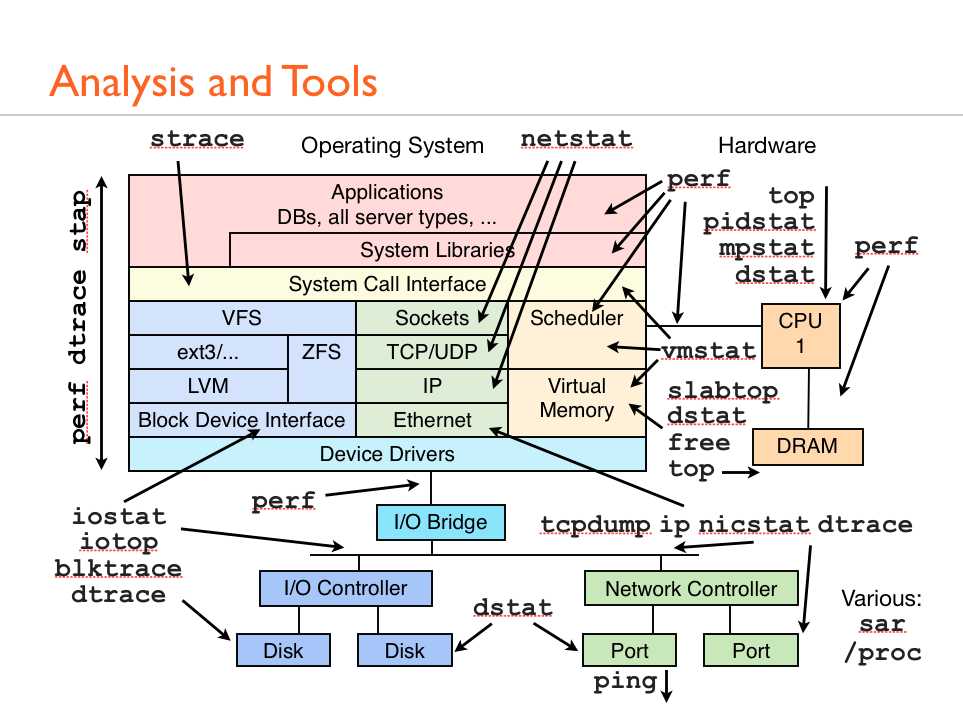
Network Stack
The Kernel NET stack, also known as the Linux network stack, is the part of the Linux kernel responsible for handling all network-related functionality. It is a crucial component of the operating system, as it enables communication between the system and external networks.
The Kernel NET stack consists of several key components:
-
Network Protocols:
-
The network stack implements various network protocols, such as TCP/IP, UDP, ICMP, and others.
- These protocols define the rules and standards for how data is transmitted over the network.
-
The stack provides an interface for higher-level applications to interact with these protocols.
-
Network Devices:
-
The network stack manages the network interface cards (NICs) and other network hardware.
- It provides a consistent interface for applications to interact with the network devices, abstracting away the underlying hardware details.
-
The stack is responsible for configuring and controlling the network devices, such as setting IP addresses, enabling/disabling interfaces, and more.
-
Packet Routing:
-
The network stack is responsible for routing network packets between different network interfaces and devices.
- It maintains routing tables and uses various routing algorithms to determine the best path for data to reach its destination.
-
The routing subsystem ensures that network traffic is properly forwarded and delivered to the correct destination.
-
Network Security:
-
The network stack includes features for network security, such as firewalling, packet filtering, and network address translation (NAT).
-
These security mechanisms help protect the system from network-based attacks and ensure the integrity of network communication.
-
Socket Interface:
-
The network stack provides a standard socket interface for applications to send and receive network data.
-
This interface allows applications to create, configure, and use network sockets for communication, abstracting away the low-level details of the network protocols.
-
Network Namespaces:
- The network stack supports network namespaces, which allow for the creation of isolated network environments within a single Linux system.
- Network namespaces provide a way to partition network resources, such as network interfaces, routing tables, and firewall rules, to create independent network stacks for different applications or containers.
Simple Kernel Network Schema